
Photo Identification
How to Identify Shot Blasting Machine Spare Parts from Photos
No drawing or part number? Start with useful photos. Machine photos, installed-position photos, front/back/side views, wear details and measured dimensions are more useful than a single close-up image.
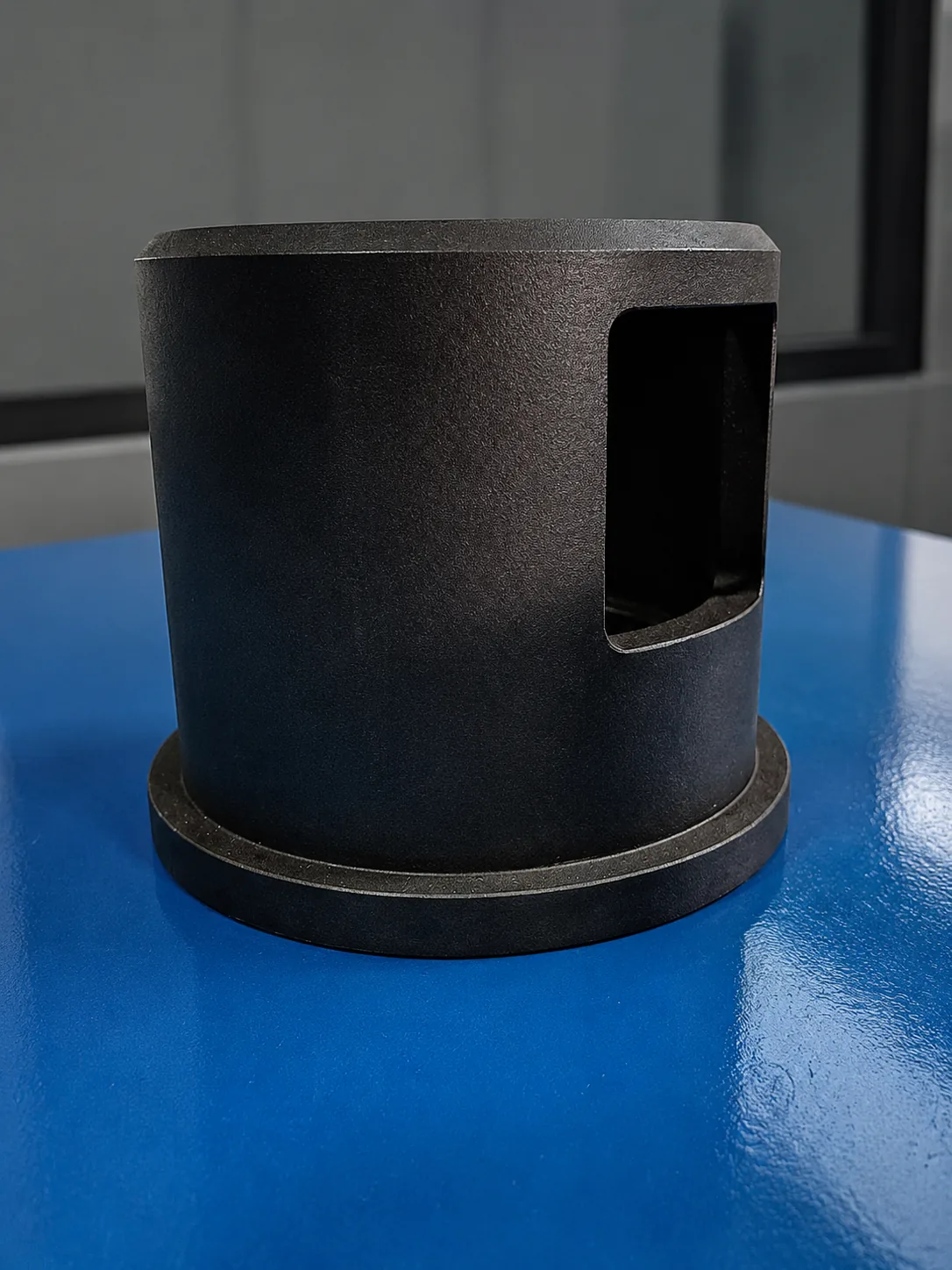
Direct answer: to identify shot blasting spare parts from photos, send four layers of evidence: the machine or nameplate, the installed position, multiple views of the removed old part, and close-ups of wear or damage. Add key dimensions with a ruler or caliper whenever possible.
Photo order
Photograph the machine before the old part
This guide is for a common real-world situation: the buyer has an old part in hand, but no BOM, no standard drawing and no reliable English part name. In that situation, the worst approach is to send only one close-up photo and ask for a price. A worn part removed from context can be difficult to classify because many blast wheel and liner components share similar shapes after long use.
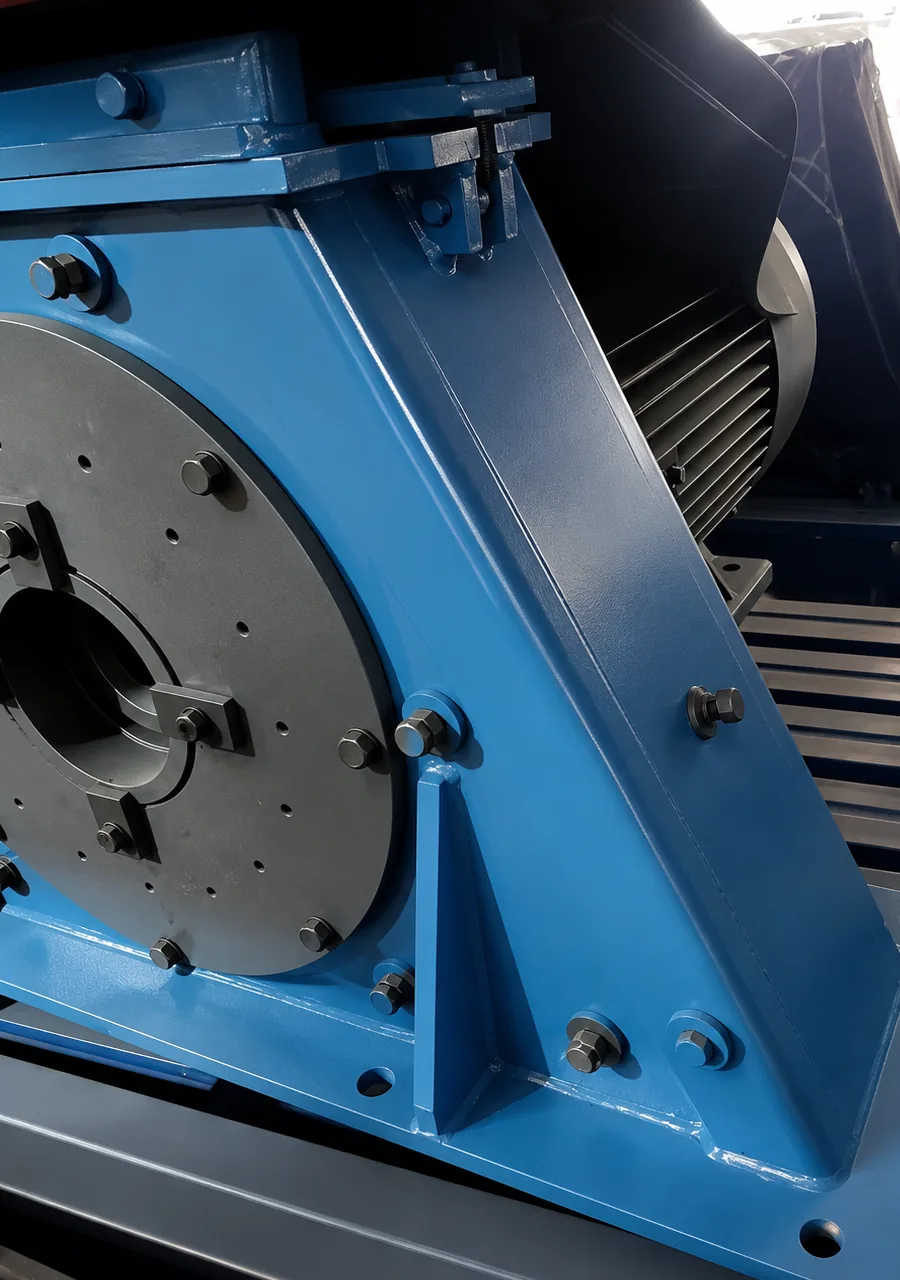
The better order is simple. First send a full machine photo or nameplate. Second, show the exact installed position before or during removal. Third, send the removed part from the front, back, side and mounting face. Fourth, add close-ups of the wear zone, cracks, broken corners, holes, slots, keyways and any repaired area. These layers allow Xindong to understand what the part does before judging what it is called.
Installed-position photos are especially important for older machines, modified equipment and cross-brand replacement requests. They explain whether the part belongs to the blast wheel, chamber protection area or a custom wear position. This is often more useful than a polished catalog-style photo.
Checklist
Photos and measurements to prepare
Use the checklist below before submitting an RFQ. The goal is not to make a perfect photography set; the goal is to make the replacement part review practical.
Machine context
- Whole machine or nameplate
- Installed-position photo
- Wheel photo if the part is inside the blast wheel
Old part views
- Front, back and side views
- Mounting face
- Wear zone and cracked or broken areas
Key dimensions
- Length, width and thickness
- Hole diameter and hole spacing
- Opening direction, bore, keyway and left/right direction
Wear evidence
Wear photos are more useful than beautiful photos
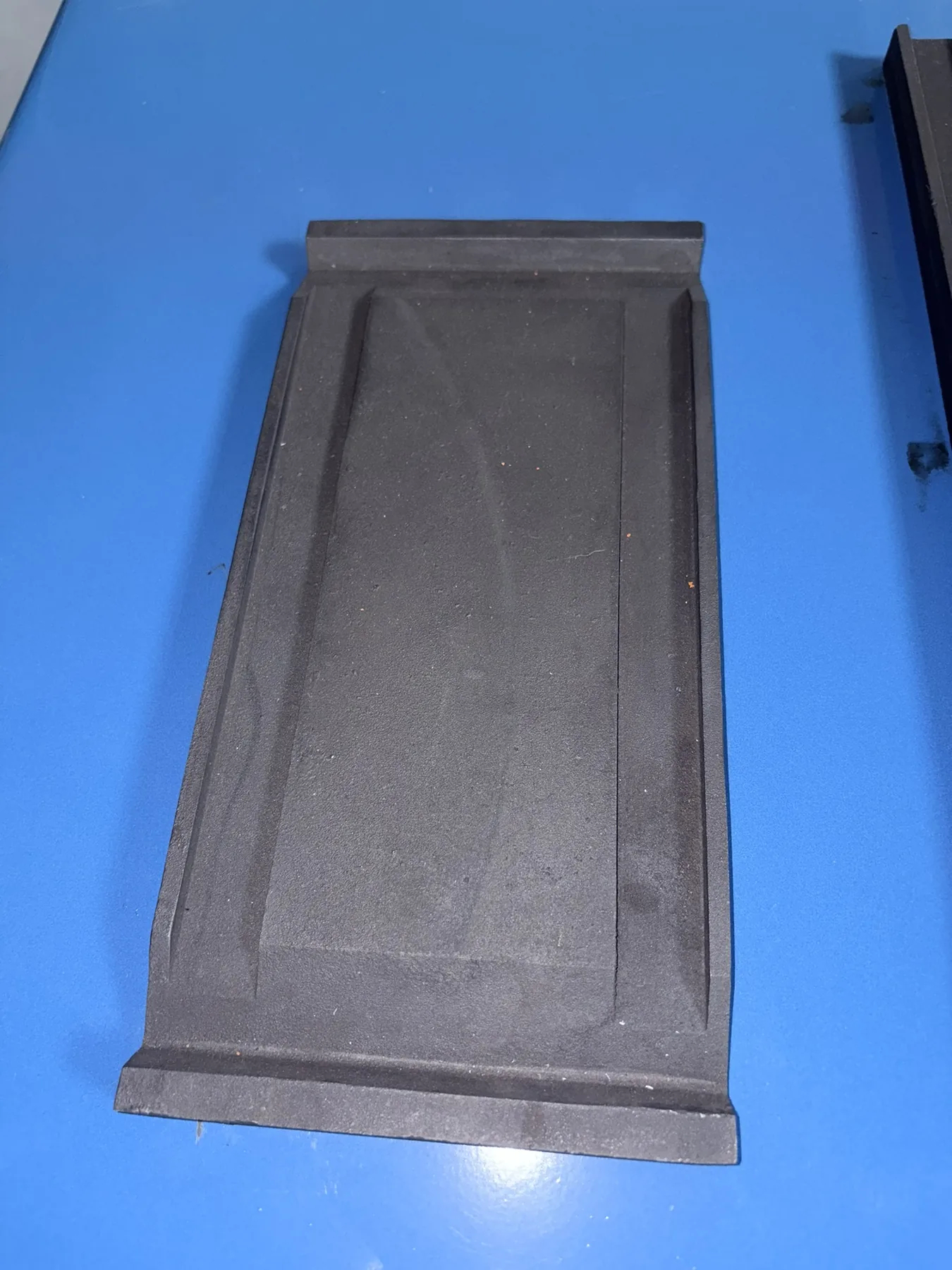
For spare-parts identification, the most valuable images are often the rough ones: the most worn edge, the less-worn reference edge, the mounting face, the broken corner, the crack line or the repaired area. Those details tell the supplier how the part works and what must be checked before quotation.
If the part has been welded, repaired, ground, drilled again or modified during previous maintenance, state that clearly. A repaired old part may not represent the original design. If the machine has been retrofitted, send that information before asking for a direct replacement.
- For blades and liners, show the most severe wear edge and the reference edge.
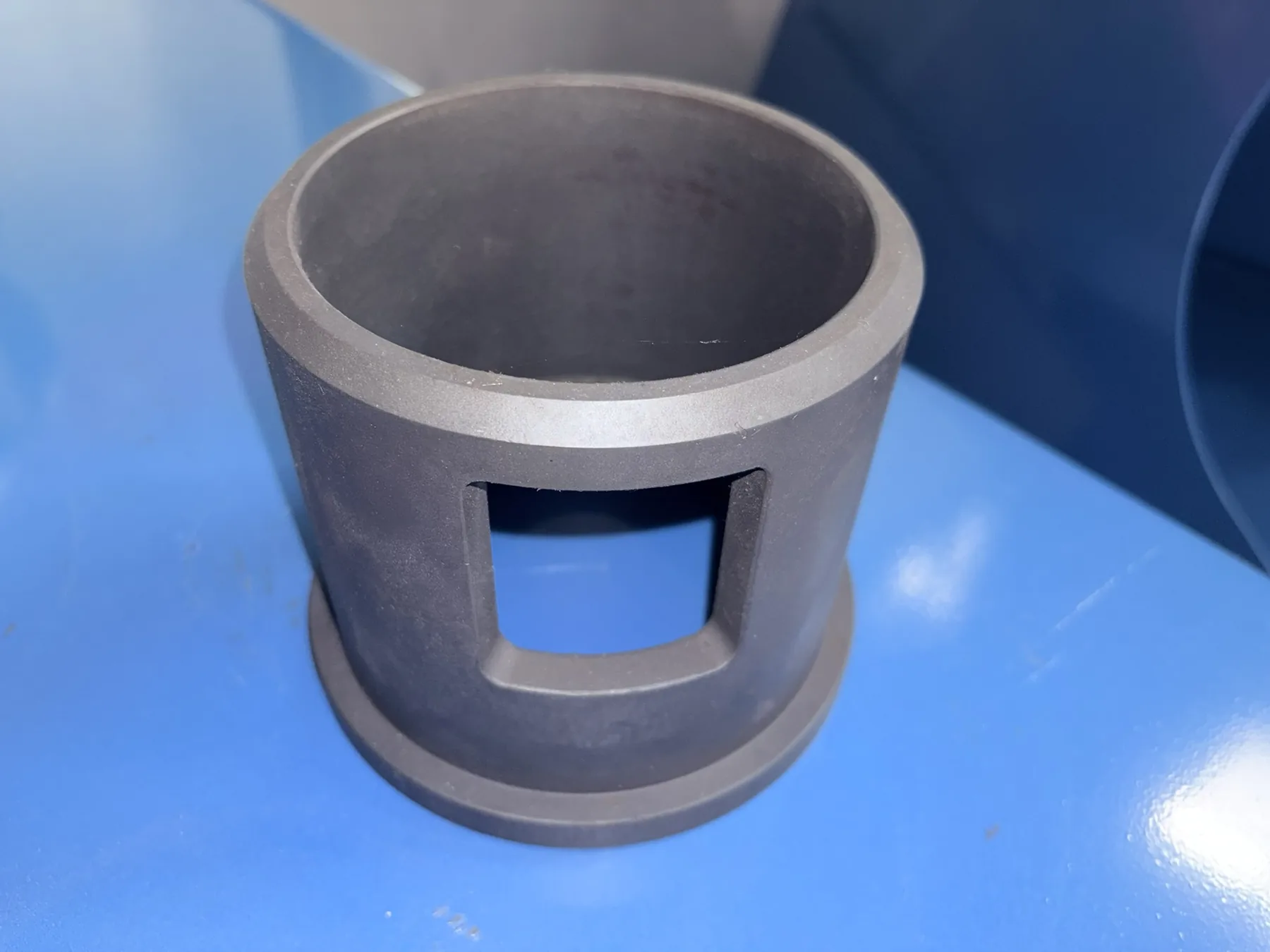
- For control cages, show the window direction, opening shape, wall thickness and mounting face.
- For impellers and distributor wheels, show both sides, bore, locating structure and wear position.
- For custom wear parts, add drawing, sketch, sample photos or measured dimensions.
- Include quantity and whether the parts are replaced as a set.
Mid-page RFQ
Have photos but no part number?
Send the photo set with machine model, nameplate, installed position, key dimensions, quantity and destination. Xindong can begin by identifying the part group and then request any missing detail.
Send Photos for ReviewIf the English name is uncertain, describe where the part is installed.
Measurement tips
Do not let dimensions become guesswork
Many wrong parts are not caused by a wrong name; they are caused by guessed dimensions. Place a ruler or caliper in important photos when possible. Record total length, width, thickness, hole diameter, hole spacing, center bore, keyway, window opening and left/right direction. For curved or irregular parts, mark the most important fit area and send several angles.
When measuring worn parts, also explain whether the measurement is taken from a worn edge or a less-worn reference edge. This helps the supplier understand what is original shape and what is wear loss.
FAQ
Photo review questions
Can Xindong identify a part without a drawing?
Often yes. Clear photos, installed position, machine model, key dimensions and quantity can start the review. A drawing or old sample still improves accuracy.
How many photos should I send?
Send enough photos to show machine context, installed position, front/back/side views, mounting face and wear details. More useful angles reduce back-and-forth questions.
Should I guess the English part name?
No. If the name is unclear, describe the function and installation position, then send photos and measurements. Structure is more reliable than a guessed name.
Send RFQ
Have only photos of an old part?
Attach the old part photos, installed-position photo, machine information, dimensions, quantity and destination details.
Send Photos for Review