
Custom Wear Parts
Precision Cast Parts vs Tool Steel Replacement Parts: RFQ Basics
Do not choose a material name in isolation. Start with part position, wear path, mounting method, drawings or samples, critical dimensions and fit areas before discussing process options.
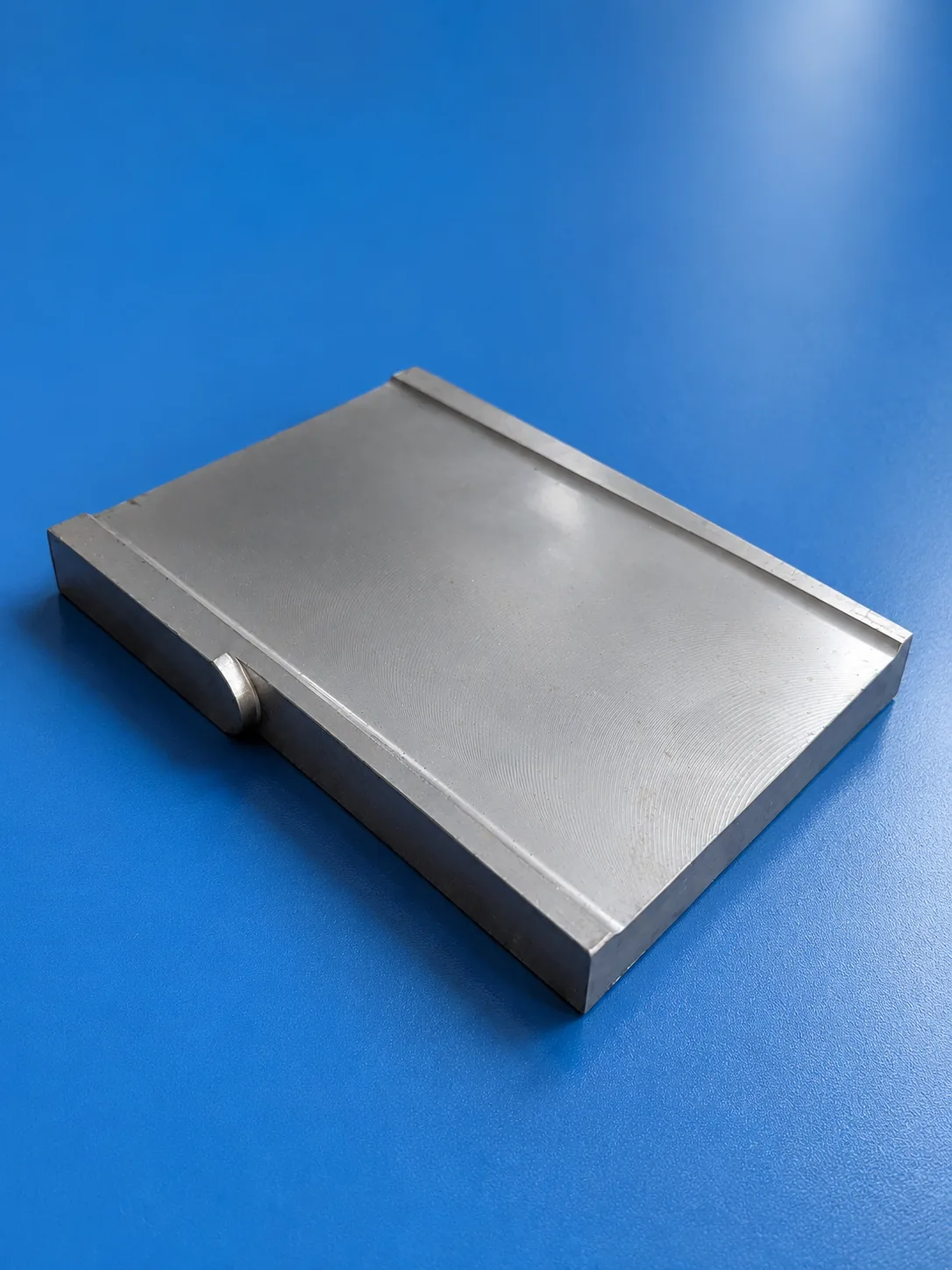
Direct answer: precision cast parts and tool steel replacement parts should be reviewed through part position, wear condition, mounting faces, drawings, samples and critical dimensions. If the material is uncertain, request review instead of guessing a material grade or forcing an unsupported process choice.
RFQ logic
Ask about the working position before the material name
This article is not meant to make the buyer choose a process alone. The practical purpose is to help the buyer ask the material and process question correctly. Precision cast parts and tool steel replacement parts are not two isolated labels. They should be discussed together with the part's installed position, wear path, mounting method, drawing details and fit requirements.
The most common purchasing mistake is not simply "not knowing the material." It is failing to explain where the part is installed, how it wears, which surfaces touch other parts and which dimensions must fit. Without that context, a material name can mislead the quotation instead of improving it.
If the buyer does not know the original material or grade, the safer RFQ wording is "same as old part" or "need review." Xindong can then review the part according to sample, drawing, measured dimensions and working position before discussing process options.
Comparison
How to discuss process options in an RFQ
| Topic | Precision cast parts | Tool steel replacement parts |
|---|---|---|
| Main RFQ focus | Shape consistency, repeat assembly, casting details and possible machined surfaces | Wear part function, durability context, fit areas and original design review |
| When drawings exist | Mark critical dimensions, machined faces, datum references and hole positions | Mark fit dimensions, mounting faces, bore/keyway details and required surfaces |
| When drawings are missing | Send old sample photos, measured dimensions and installation context | Send sample photos, wear path, working position and machine information |
| Material uncertainty | Write same as old sample or need review | Write same as old part or request process review instead of guessing |
Drawing review
If you have a drawing, mark the critical areas
A full drawing is helpful, but a drawing is more useful when the buyer marks the critical fit areas. Hole diameters, hole center distances, center bore, mounting faces, machined surfaces, datum references and the most sensitive fit dimensions should be called out clearly. Do not hide the important details inside a full drawing and expect the supplier to guess which surfaces matter most.
When a drawing includes tolerances or standards, do not assume they are complete or current. The quote discussion should identify which dimensions must be controlled and which external shape dimensions can be reviewed according to process. If standards or tolerances need to be referenced, they should be confirmed from formal sources before being treated as binding technical requirements.
If there is no drawing, a quote can still start from an old sample, but the photo set must be more complete. Send front and back views, mounting face, wear area, measured dimensions, machine model and installed position. Also state whether the buyer wants the new part to remain as close as possible to the old part, or whether process review is requested.
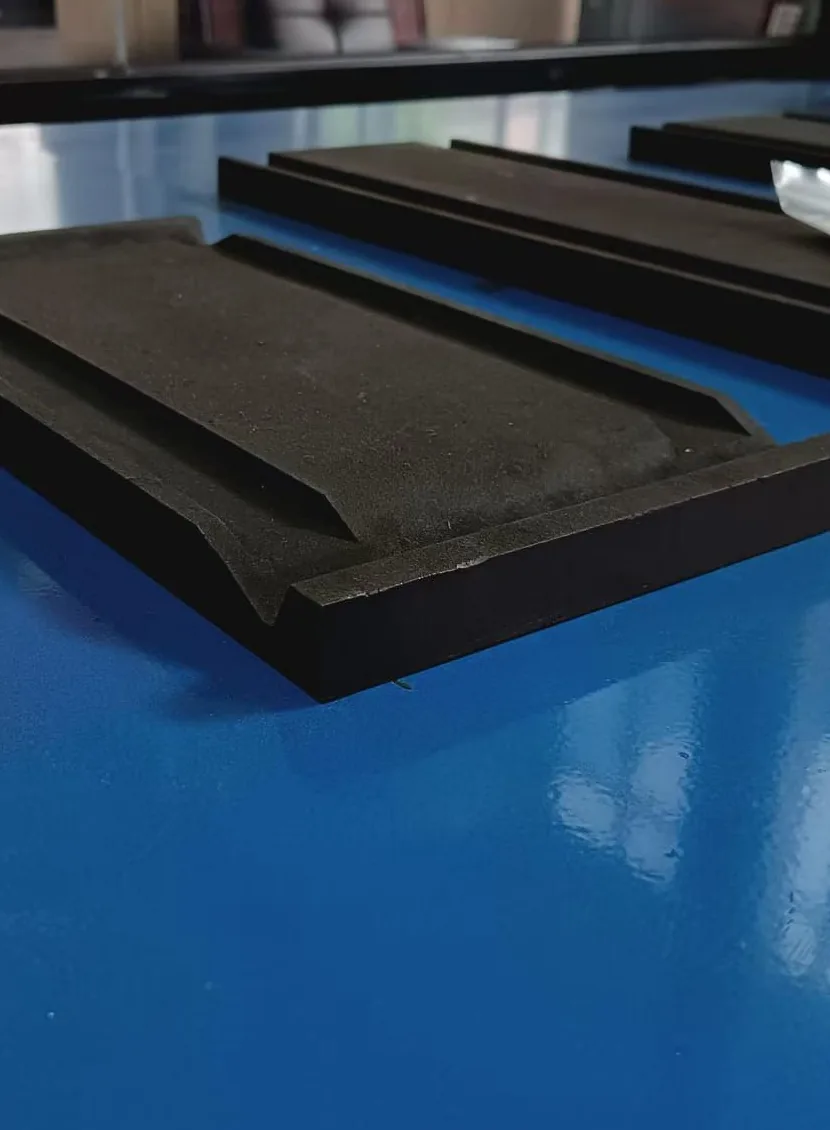
Mid-page RFQ
Have a drawing or only an old sample?
Send part position, old part photos, sample photos, measured dimensions, critical fit areas, quantity and destination details for process review.
Send Drawing or SamplePosition, wear path and critical dimensions come first.
Checklist
What to send for custom process review
- Part position and working condition.
- Old part photos, sample photos or drawing.
- Critical dimensions, hole center distances, machined surfaces and datum areas.
- Fit areas that must be controlled separately.
- Machine model and whether the equipment has been modified.
- Whether first-piece confirmation, inspection photos or packing photos are needed.
For legacy wheels or upgraded equipment, also explain whether the old part has been modified before. A second-machined or repaired sample may not represent the original design. This matters before any material or process decision is discussed.
FAQ
Material and process RFQ questions
Should I choose precision cast or tool steel before asking for a quote?
Not always. If you are unsure, send part position, photos, drawings or samples and ask for review. The part function and fit requirements matter first.
What if I do not know the material grade?
Write "same as old part" or "need review" and send the old sample, measured dimensions and working position. Avoid guessing a grade.
Which drawing details matter most?
Mark critical dimensions, machined surfaces, datum references, hole center distances and fit areas that must be controlled.
Send RFQ
Need custom wear parts from drawing or sample?
Send part position, old part photos or sample, drawing if available, critical dimensions, quantity and destination details.
Send Drawing or Sample